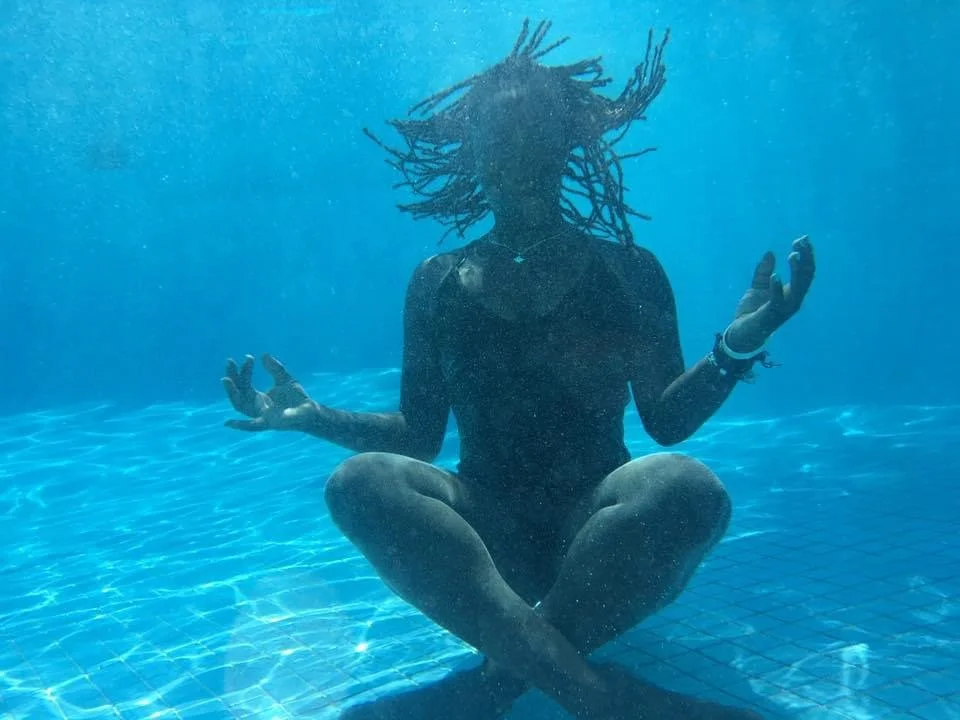
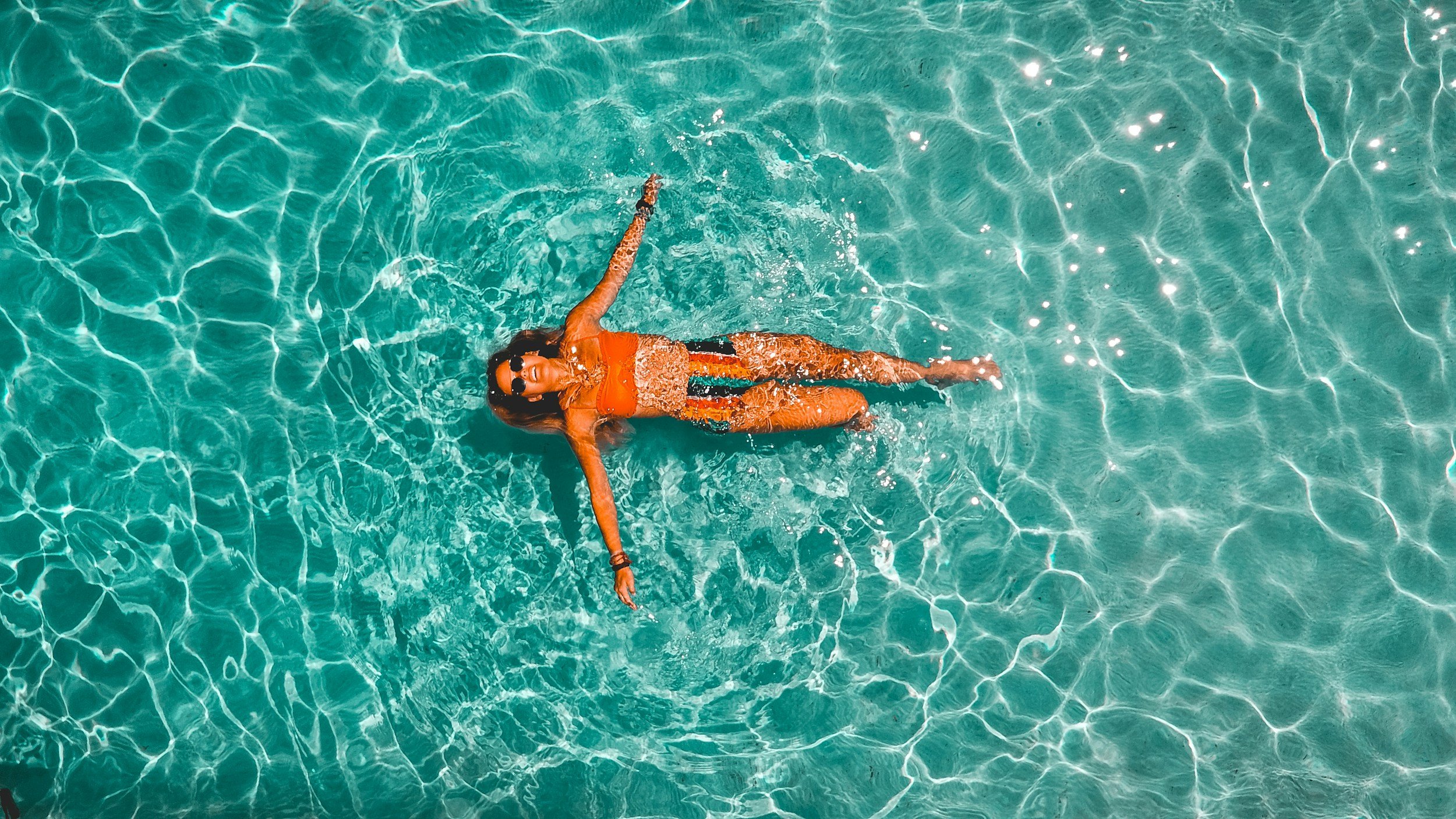
Dive into who you are
Hello, I’m Lauren Valcin, founder and creator of The EazeFlo Method by Mindful Swimming.

With over 8 years of experience as a swimming instructor, I’ve had the privilege of teaching everyone from 4-month-old babies to individuals in their 80s. Swimming has been part of my life since childhood and over the years it has become far more than just exercise. It has been a place of comfort, healing and reconnection for both my mind and body, especially during life’s more challenging moments.

In 2020, I began my journey as a mindset coach, supporting clients and running courses designed to help young people and students harness the power of their minds, build confidence and achieve their goals. After becoming a wife and mother, I found myself drawn back to this work with an even deeper understanding of how important it is to care for both our mental and physical wellbeing.

Through years of teaching, personal experience and mindful practice in the water, I developed The EazeFlo Method, a unique approach that combines breath awareness, mindful movement and gentle swimming technique to help people feel calmer, lighter and more connected in the water.

My mission is not simply to teach people how to swim but to transform the way they experience the water and themselves within it. I believe swimming can become a powerful form of self-care, a place to pause from the chaos of everyday life, reconnect with the present moment and rediscover a sense of ease and confidence.

As a mother balancing family life and business, I understand how easy it is to neglect ourselves whilst caring for everyone else. That is why creating calm, nurturing spaces where people can breathe, soften and reconnect has become the heart of what I do.

Through The EazeFlo Method by Mindful Swimming, my goal is to help people experience swimming not as something to fear or force but as something peaceful, empowering and deeply restorative.
Get in touch.
Want to know more about Mindful Swimming and what it can do for you. Get in touch with any questions or queries you have and I’d be more than happy to answer. This could be the start of a self-care routine that can change your life, both mentally and physically.
Teaching kids is easy. Adults? That’s where the real work begins…
Throughout my years of teaching, I have observed that babies and kids are usually easier to teach; they pick things up quickly, are extremely flexible and generally have little fear! However, teaching adults is a different story. Adults often come to sessions with a lot of fear and apprehension. Their bodies aren’t as flexible, making it harder to master all the required positions for efficient swimming, and progress tends to be slower. As a result, adults can get frustrated and lose motivation quickly. To address this, I focus my adult lessons on helping you to feel comfortable in the water and mastering breathing so you can swim for longer periods. I prioritize swimming in a way that feels natural and comfortable for you, rather than strictly adhering to technical guidelines. I've noticed that adults often struggle with negative self-talk and frustration when they make mistakes. Consequently, my approach emphasizes the mental aspect of swimming over the technical and physical side. Many adults have expressed a desire to feel comfortable and at ease in the water, gliding smoothly from one end of the pool to the other, like they see so many others do. The truth is, this is achievable for everyone. You don't have to be swimming a perfect stroke to reach ZEN mode.It’s alarming to consider how many adults and children still cannot swim. We seem to be fighting an uphill battle in our efforts to promote swimming nationwide. We face challenges like reduced pool space, long waiting lists, a shortage of swim teachers, and lack of funding. Each summer, we see tragic drownings in lakes because kids can’t swim or don’t understand water safety. We’re clearly missing a crucial part of the puzzle. If we’re addressing the physical benefits of swimming, why aren’t we also focusing on the mental benefits? By teaching people to tap into the mental advantages of swimming, regardless of their skill level, we could significantly boost their confidence and motivation to learn. Addressing the root causes of slow progression in adults, rather than perpetuating ineffective lessons, is essential. Combining the healing qualities of water with mindfulness and mindset techniques could truly transform lives and address a wide range of issues.
I’ve been practicing this throughout my entire life. Every time I swim, I strive to enter ZEN mode, and each time I succeed, I feel incredible. Rejuvenated and re-energised, I re-enter my life with a spring in my step because I feel so amazing. This has been my go-to self-care method, and seeing my students light up with excitement and joy when they reach ZEN mode is an unparalleled experience. I want to share this gift with others, helping them discover the same sense of renewal and happiness.
Beyond Fitness: The Meditative Power of Swimming
We all know the numerous physical benefits of swimming. It's a full-body workout that places minimal stress on joints and muscles, aiding recovery from injuries, operations and illnesses. Swimming builds muscles, improves coordination and balance and enhances overall endurance, making it one of the best exercises you can do. While swimming has certainly kept me fit and healthy over the years, it is so much more than that. Swimming is a powerful form of self-care, offering a meditative experience that balances both mind and body. Beyond it's well known physical benefits, swimming also provides substantial mental advantages. It is as much a mental exercise as it is a physical one. When you're submerged, the world fades away. The rhythmic motion of swimming back and forth in the pool can become a meditative ritual, relaxing and centring you. As you immerse yourself in this rhythm, your mind clears and you become one with the water, entering what I call ZEN mode. In this state, your mind is quiet, and you are entirely focused on the rhythm of your swim and the sound of your breathing. It's an extraordinary experience. Practicing mindfulness in the water can help you achieve this profound state of tranquility.